The Grim Sleeper: When Injustice Spans Decades
Every crime leaves a scar. But the most painful scars are the ones left when a community realizes the system failed to protect them. Tonight, we begin the very first episode of our new podcast, Aftermath, with a case that exposed a deep rot of systemic neglect in a major American city: The Grim Sleeper.
This is a story of a monster who preyed on the most vulnerable, and a case that exposed the deep rot of systemic neglect in a major American city. It also happens to be a story near to our hearts. We dedicate this episode to the man who gave us our love for storytelling and, yes, true crime: our father. We're here to carry on that tradition, but with a different focus: the enduring strength of those left behind.
The Decade of Silence and Systemic Neglect
Lonnie David Franklin Jr. was an unsettling mix: a former sanitation worker and mechanic, a neighborhood fixture who was quick with a helping hand, ran a small side business, and doted on his children. Yet, behind this facade, Franklin was a serial killer who preyed on young Black women in poor neighborhoods of South Los Angeles for over two decades.
The pattern of violence began in August 1985 with the murder of Debra Ronette Jackson, 29, followed just two days later by Henrietta Wright, 35, both found shot to death. These women were individuals whose lives mattered long before they became a police file.
The killer earned his infamous name, "The Grim Sleeper," due to the apparent 14-year gap in the discovery of bodies between 1988 and 2002. But the real scandal was the disparity: while other serial killers like the Night Stalker garnered high-profile attention at the time, the deaths of these young Black women in South Los Angeles were met with profound indifference.
The Crucial Survivor and the Key Evidence
The case would have remained entirely cold had it not been for one brave survivor: Enietra Margette Washington.
In November 1988, Washington accepted a ride from Franklin, who shot her in the chest, sexually assaulted her, and then pushed her from his car. Though wounded, she managed to crawl to safety and survive. Washington's testimony was vital, but the key piece of evidence she provided was chilling: she recalled that her attacker took a Polaroid photo of her as she was losing consciousness.
This photo, later found hidden in Franklin's garage, cemented the case against him.
The Community Aftermath: Fighting for Recognition
The decade of police inaction created a devastating vacuum, forcing the community to fight for its own safety and recognition.
The Black Coalition Fighting Back Serial Murders (BCFBSM): Founded by activist and journalist Margaret Prescod in 1985, this organization began fighting back before police had publicly acknowledged a serial killer.
"NHI" (No Human Involved): Outrage swelled over the phrase "NHI"—reportedly used by police to categorize the deaths of Black women who were often struggling with addiction or poverty—which symbolized the systemic neglect of these cases.
Refusing Dehumanization: The Coalition fought to ensure the victims were not dehumanized, echoing Margaret Prescod's powerful statement: "Please stop referring to these victims as prostitutes. They were women, they were mothers, they were loved by their families and their communities".
The Break: Technology Meets Persistence
The continuous pressure from the BCFBSM eventually forced the creation of a re-formed cold case task force in the 2000s. This persistence finally paid off with the advent of Familial DNA technology in 2010.
The Lead: Detectives were alerted when DNA from one of Franklin’s relatives—later identified as his son, arrested on a felony weapons charge in 2008—showed a partial match to the crime scene evidence.
The Match: An undercover officer collected a discarded piece of pizza crust from Franklin at a birthday party. This "abandoned DNA" provided the definitive match, leading to Lonnie Franklin Jr.'s arrest in July 2010.
The capture was framed not as a police triumph alone, but as the direct result of technology finally meeting the relentless community pressure to solve the cold cases.
The Perpetual Scars
Justice in the courtroom does not equate to a return to normalcy.
The Grief of a Father: Porter Alexander Jr., father of victim Alicia Alexander, spoke powerfully after the conviction: "He took a limb from me and every time I look she's missing and can never be replaced... it doesn't bring her back".
The Stolen Future: The youngest confirmed victim, Princess Berthomieux, was just 15 when she was strangled in 2002. Her foster sister, Samara Herard, testified to the permanent loss: "She'll never get a chance to grow up. She'll never go to college. She'll never be married. She'll never have the choice to make better choices".
The Unidentified: When police searched Franklin's home, they found over 1,000 photos of women and teenage girls. As of 2016, 33 women in the photographs remained unidentified. This is the perpetual aftermath: the potential for more victims and the families who still don't have closure.
The case of the Grim Sleeper is not just a story of a serial killer; it is a story of how a city allowed a tragedy to unfold, and how a community—led by women like Margaret Prescod—refused to let their sisters be forgotten. The strength and love demonstrated in the Aftermath—the families who fought, the survivor who spoke, the activists who demanded justice—that is the reason we tell this story.
Resources
A&E Cold Case Files (provided additional research context on the case).
Reporter (Christine Pelisek) was covering crime of LA Weekly looking for cases in Jan 2006 and would visit the coroner’s office. Coroner mentioned 38 women found in alley ways and parks in South Central.
The Black Coalition Fighting Back Serial Murders (BCFBSM) was founded by activist and journalist Margaret Prescod in 1985.
Testimony and quotes from Porter Alexander Jr. (father of victim Alicia Alexander) and Samara Herard (foster sister of victim Princess Berthomieux) provided key victim and family perspectives.
Don't just hear the facts. Understand the legacy. Subscribe to Aftermath now.
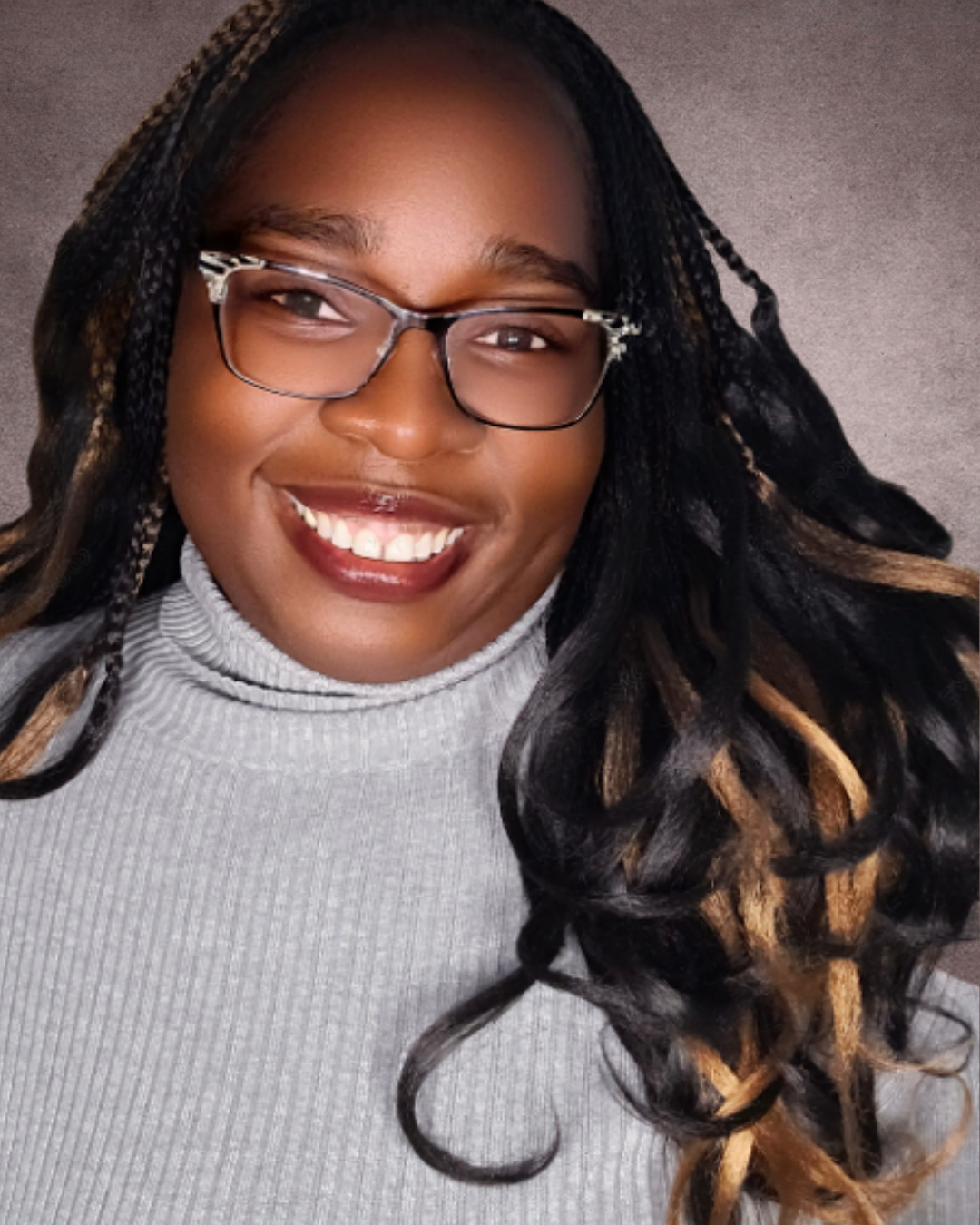
Co-Host / Producer
Meet Kiara, the sass-talking, side-eye-giving co-host of Main Event Mamas. This wrestling fanatic has been body-slamming her love for the squared circle since before you knew what a Figure Four Leglock was (probably). Once upon a time, she swooned for the Heartbreak Kid himself, Shawn Michaels – don't judge, we all have our pasts.
But Kiara's more than just a pretty wrestling face. She's a total boss babe, juggling the chaos of entrepreneurship, PR wizardry, and social media magic. Oh, and let's not forget the real main event at home: a husband, two teenagers who are almost self-sufficient (hallelujah!), a furry menace of a dog, and a cat who probably judges us all. So, if you're ready for wrestling talk with a side of "been there, survived that" realness, you've come to the right place. Just try not to mention ladder matches around her – the PTSD is real.

RAW Recap: Pipe Bombs, Pineapples, and Powerbombs in H-Town!
